
Last Updated: August 10, 2026
Choosing between flat and eggshell paint is one of the first decisions you make for any interior project. The finish you pick changes how your walls look, how easy they are to clean, and how well they hold up in Florida's humidity. At JPL Painting, we help homeowners across New Smyrna Beach and Volusia County pick the right sheen for every room. This guide breaks down the real differences so you can make the best call.
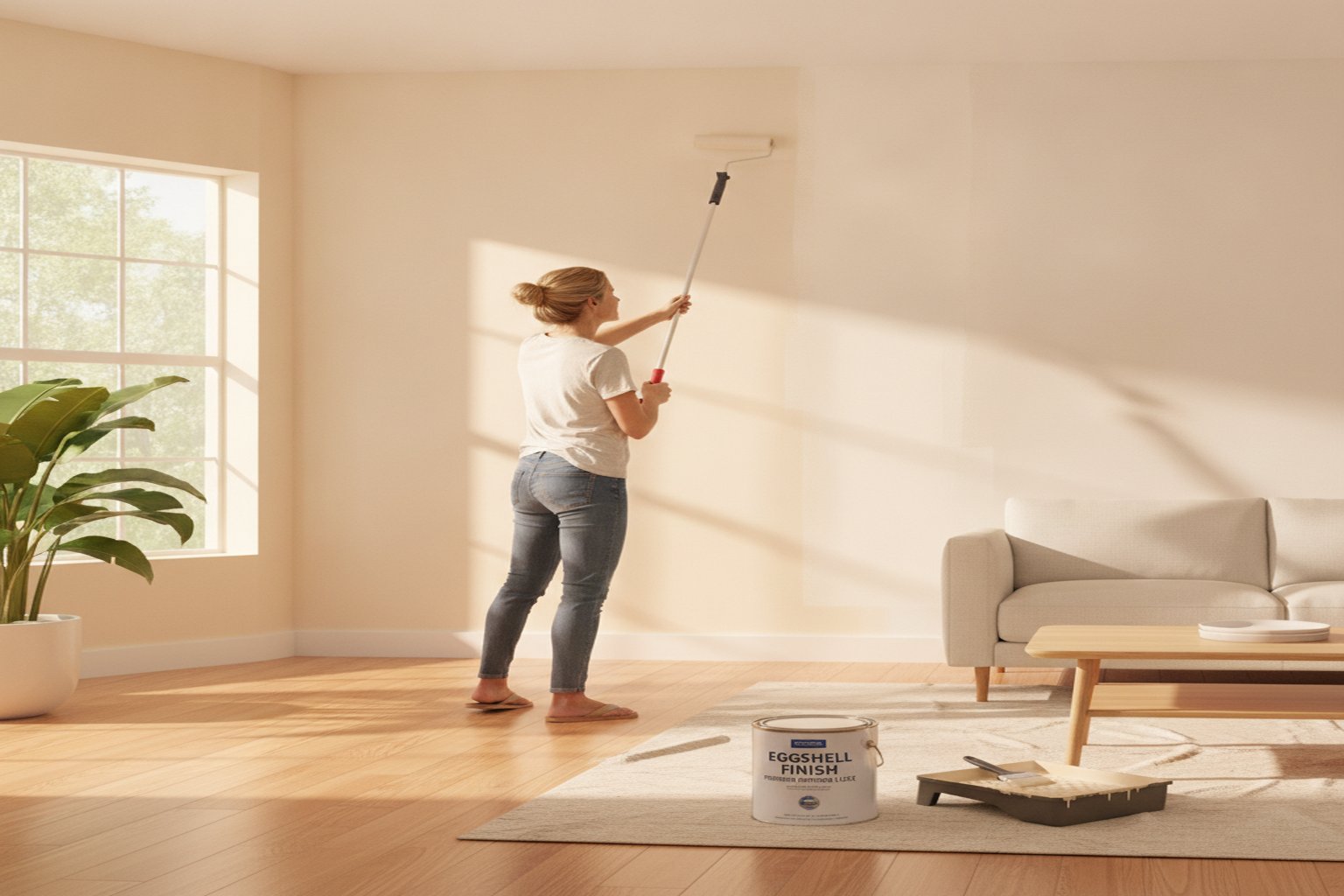
What Flat Paint Actually Does
Flat paint has no real visible sheen. Light hits the surface and scatters in every direction, giving walls a smooth, velvety look. That lack of reflection is why designers love flat paint for hiding drywall imperfections. Seams, patch marks, and uneven texture all but disappear under a flat finish.
The downside is durability. Flat paint absorbs stains and can burnish when you scrub it, leaving a shiny streak against the matte surrounding area. In rooms where walls get touched regularly, flat paint shows wear fast. Florida homeowners should also know that flat paint absorbs moisture more than higher-sheen finishes, which can lead to mildew in damp spaces.
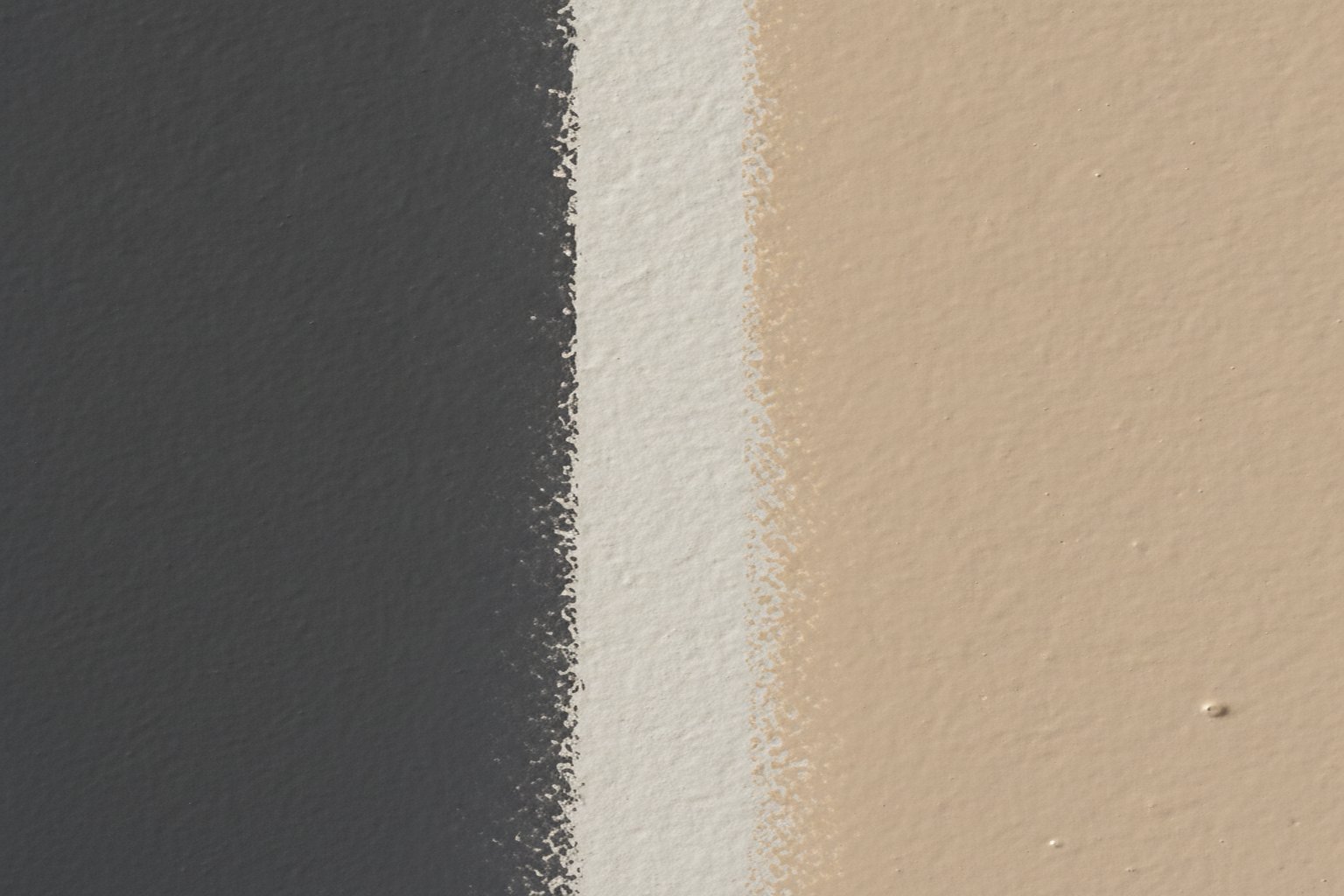
What Eggshell Paint Brings to the Table
Eggshell paint has a subtle, low-sheen finish that catches just enough light to give walls depth without looking glossy. The name comes from the finish's resemblance to an egg's surface: smooth with a faint, warm glow. Most professional painters consider eggshell the go-to interior finish for general living spaces.
The big advantage over flat is cleanability. That slight sheen creates a harder surface film that resists stains and wipes clean with mild soap and water. Scuff marks come off without burnishing. Handprints in the hallway clean up in seconds. Eggshell still isn't ideal for rooms with heavy moisture exposure, though. Bathrooms and laundry rooms are better served by satin paint.
Key Differences: Flat vs Eggshell Paint
Understanding the core differences helps you choose the right wall finish for each room.
- Sheen level: Flat paint reads as completely matte with zero gloss. Eggshell paint has roughly 10-25% sheen on the light reflectance scale. That small difference changes how walls look under natural and artificial light.
- Durability: Eggshell forms a harder film than flat paint, making it more resistant to scuffs and scratches. Flat paint marks easily and does not recover from contact.
- Cleaning: Eggshell wipes clean with a damp cloth. Flat paint absorbs stains and can burnish when scrubbed. For homes with kids or pets, eggshell is the practical choice.
- Hiding power: Flat paint hides drywall imperfections better than eggshell. If your walls have visible patching or texture inconsistency, flat paint covers those flaws. Eggshell highlights them.
- Moisture resistance: Eggshell repels moisture better than flat paint. In Florida's humid climate, eggshell walls resist mildew growth and are easier to maintain in rooms that get damp.
When to Choose Flat Paint
Flat paint is the right pick for specific situations where appearance matters more than durability.
Ceilings benefit most from flat paint. Ceiling surfaces often have tape seams and texture variation. Flat paint hides all of it and spatters less during application.
Low-traffic rooms like formal dining rooms and guest bedrooms rarely see wall contact. Flat paint gives these spaces a rich, sophisticated look without the durability trade-off.
Accent walls in deep colors look richer in flat finish. Dark navy, forest green, and charcoal paint colors appear deeper and more even without sheen competing with the pigment.
Older walls with imperfections need flat paint to look their best. If your home has decades of patching and repairs, flat paint forgives what eggshell highlights. Call (386) 402-1122 for an assessment of your walls.
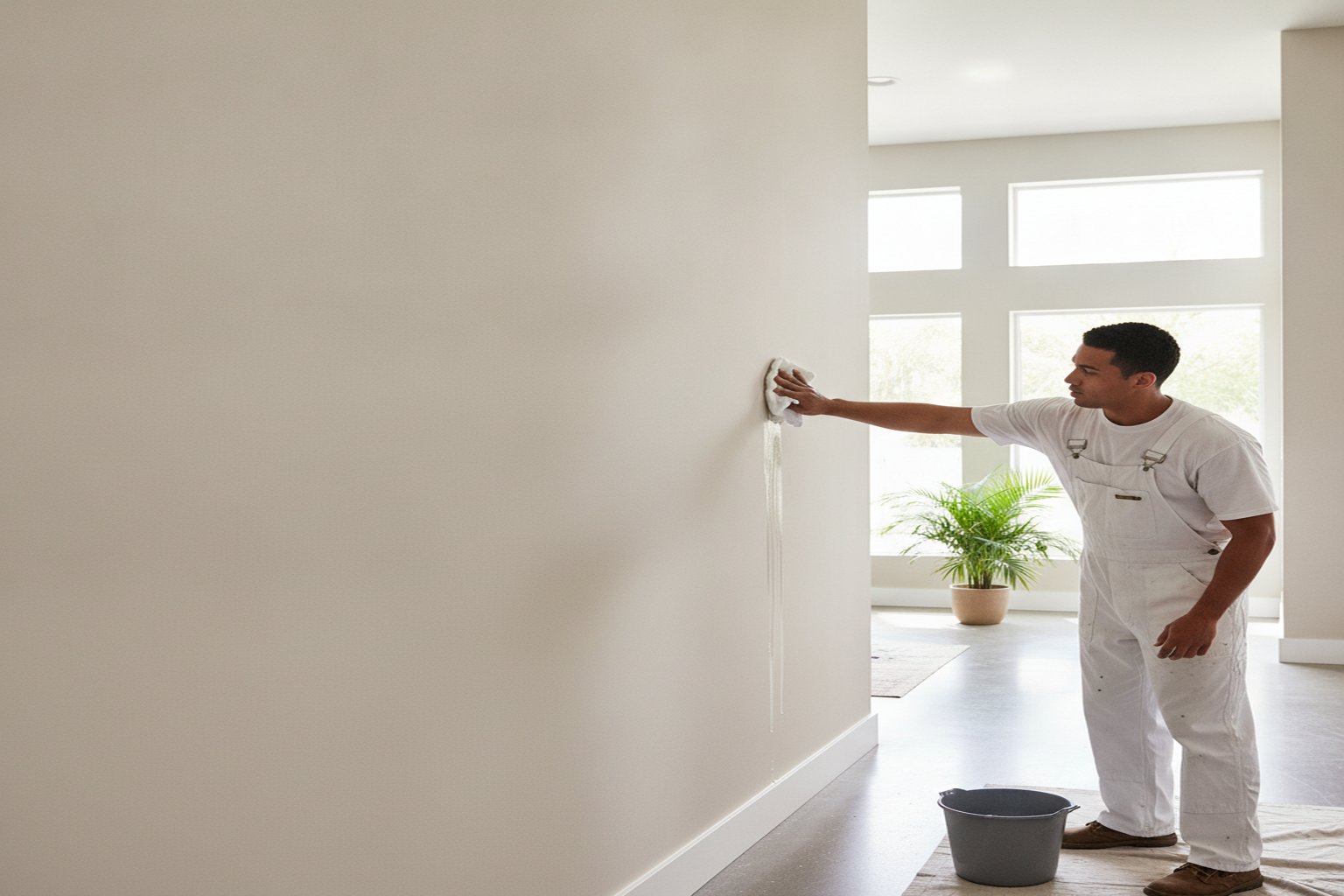
When to Choose Eggshell Paint
Eggshell is the more versatile finish for most rooms in a Florida home.
Hallways and entryways take constant contact from bags, shoulders, and hands. Eggshell handles that wear and cleans up in seconds.
Kids' rooms need walls that wipe clean after crayons and sticky hands. Eggshell lets you scrub without damaging the finish.
Living rooms are where eggshell truly shines. The low sheen adds warmth and dimension to large wall surfaces while staying easy to maintain.
Kitchens benefit from eggshell's moisture resistance, though satin paint is better near the stove and sink.
Stairways get bumped and scuffed constantly. Eggshell holds up and cleans easily.
Flat vs Eggshell Paint for Florida Homes
Florida's climate demands extra consideration. High humidity, salt air, and intense sunlight all affect how paint performs over time.
Homes in Volusia County see average humidity levels above 70% for much of the year. Flat paint absorbs that moisture, which can lead to mildew spotting on walls in bathrooms, laundry areas, and enclosed hallways. Eggshell's harder surface film resists moisture absorption, giving you a longer-lasting finish.
Sunlight matters too. Florida rooms with large windows and southern exposure get hours of direct sun daily. Flat paint can fade faster under UV exposure because the matte surface lacks a protective film. Eggshell holds its color better in sun-drenched rooms.
If your home has central air running year-round, both finishes perform well. But rooms that stay warm and humid between AC cycles benefit from eggshell's moisture resistance. Call (386) 402-1122 to discuss which finish suits your rooms.
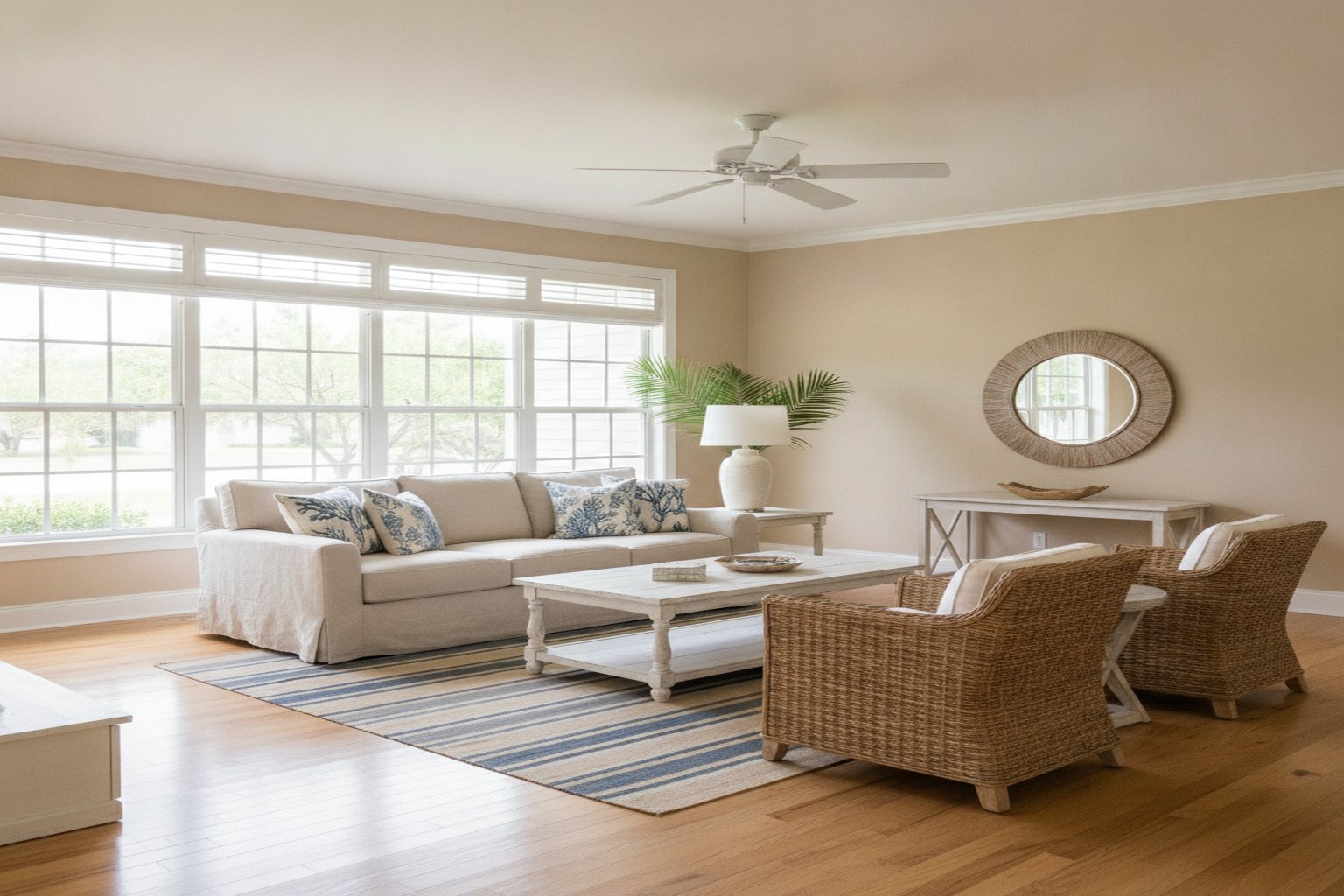
Room-by-Room Paint Sheen Guide
Here is a quick reference for choosing between flat and eggshell in each area of your home:
- Ceilings: Flat paint, always. Ceilings never get touched and benefit from the shadow-hiding finish.
- Living rooms: Eggshell. The warm sheen adds depth, and you can wipe marks off without damage.
- Bedrooms: Eggshell for master suites and kids' rooms. Flat works for guest bedrooms.
- Bathrooms: Use satin paint for moisture resistance. Eggshell works in half-baths with good ventilation.
- Kitchen: Eggshell on walls away from the stove. Satin near splash zones.
- Hallways: Eggshell. High traffic demands cleanability.
- Dining room: Flat for formal spaces. Eggshell if it doubles as a daily family room.
Why Professional Paint Prep Matters
No paint finish looks good on poorly prepared walls. Flat paint hides minor flaws, but even flat cannot cover deep gouges or loose tape. Eggshell shows every imperfection, which makes professional preparation essential.
Our prep process at JPL Painting includes filling holes and dents with joint compound, sanding smooth, spot-priming repairs, and applying a full primer coat when needed. This ensures both flat and eggshell paint go on evenly and last for years.
Skipping prep to save time costs more in the long run. Poorly prepped walls need repainting sooner, especially in high-traffic areas where underlying flaws accelerate wear.
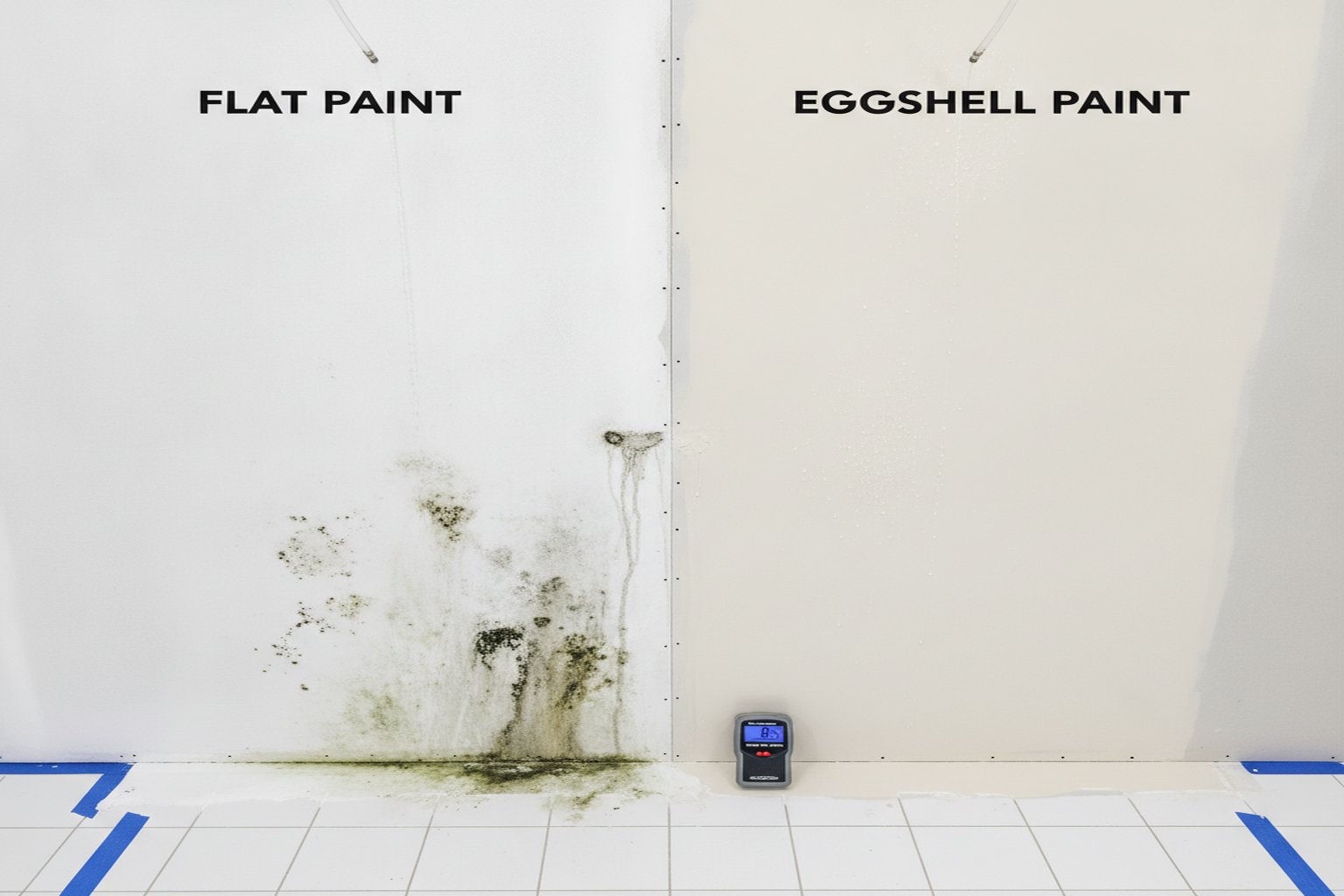
Flat vs Eggshell Paint: Quick Comparison
| Feature | Flat Paint | Eggshell Paint |
|---|---|---|
| Sheen | Matte, no gloss | Low sheen, subtle glow |
| Best for | Ceilings, low-traffic rooms | Living rooms, hallways, bedrooms |
| Cleanability | Hard to clean, may burnish | Wipes clean with damp cloth |
| Hiding power | Excellent, hides flaws | Good, shows some texture |
| Moisture resistance | Absorbs moisture | Repels moisture |
| Durability | Lower, marks easily | Higher, resists scuffs |
Not Sure Which Finish to Pick?
Our team at JPL Painting recommends the right sheen for every room in your home. Call (386) 402-1122 for a free estimate.
(386) 402-1122Frequently Asked Questions
People choose flat paint for its flawless, velvety appearance. Flat paint hides drywall imperfections, seam lines, and patch marks that higher-sheen finishes would highlight. Designers use flat paint in formal spaces like dining rooms and master bedrooms where walls rarely get touched. The matte finish absorbs light evenly, giving deep colors a rich, saturated look. Flat paint also blends well during touch-ups, making small repairs nearly invisible.
Skip eggshell paint in rooms with heavy moisture or frequent wall contact. Bathrooms with poor ventilation accumulate condensation that eggshell cannot fully resist. Kitchens near stoves and sinks do better with satin or semi-gloss. If your walls have significant texture or damage, eggshell will highlight those flaws rather than hide them. In those cases, proper wall preparation or flat paint may be the better choice.
Production builders typically use flat paint on walls and ceilings because it is affordable, hides drywall imperfections from construction, and goes on quickly. Flat paint lets builders cover imperfect drywall without extensive sanding. Custom builders and remodelers often upgrade to eggshell because homeowners prefer the cleanability and slight warmth it adds to living spaces. If your home came with builder-grade flat paint, upgrading to eggshell during your next repaint is one of the most noticeable improvements you can make.
Most professional painters default to eggshell for interior walls. It offers the best combination of appearance and performance for the majority of rooms. Living rooms, bedrooms, hallways, and offices all benefit from eggshell's low sheen and easy cleaning. Painters use satin or semi-gloss for bathrooms, kitchens, trim, and doors where moisture resistance matters most. Flat paint is reserved for ceilings and low-traffic accent walls.
Ready to Choose the Right Paint Finish?
Our team at JPL Painting helps Florida homeowners pick the perfect finish for every room. We bring precision craftsmanship and Florida-tough products to every project. From painting tips to full home transformations, we deliver seamless results.
Call (386) 402-1122 for a free estimate or contact us online.
Clean. Precise. On Time.


